4.3/5

Welcome to the Albret Tourist Office

Statue of Jupiter of Mézin

This limestone statue dates from the 3rdquarter of the 1st quarter of the 1stcentury AD century AD depicts the Roman god Jupiter. It was discovered in 1972 in the village of Mézin and has been kept at the Musée d'Aquitaine in Bordeaux since 2001, when it was acquired with the participation of the FRAM (Regional Acquisition Fund for Museums).

An exceptional work of art

This work of art is the centerpiece of an archaeological collection found in situ (on site) in a Gallo-Roman sanctuary in the village of Mézin in 1972! This Jupiter is exceptional not only for its size (1.82 m, life-size), imposing attributes (spear in his right hand and thunderbolt in his left hand), but also for the circumstances of its discovery: it is one of the few statues of Jupiter found in a sanctuary.

The pose, hair, and musculature are characteristic of Greek artistic influence, although the face is reminiscent in some respects of Gallic deities. The presence of a statue of Jupiter, king of the gods, in a Gallo-Roman estate indicates the high noble status of its owner.

Jupiter's face expresses the strength of the god who commands storms and the serene grandeur of the one who brings justice to earth as in heaven. His thick, abundant hair, bound with a band, flows in wavy curls around his face. His opulent beard adds to the vigor of his determined chin. The god's chiasmic stature (a swaying gait caused by leaning on one leg) and his appearance as a man in his prime command respect.

Jupiter, king of gods and men

Jupiter, the Roman god equivalent to the Greek Zeus, is the king of the gods who presides over the council of gods. He is originally the god of the sky who brings rain, throws thunderbolts and lightning, and maintains order and justice in the world. It is in this capacity that he is depicted holding a scepter in his right hand and a winged thunderbolt in his left, as well as an eagle, which was found during archaeological excavations.

He is the master of all living beings and of the other gods, including his two famous brothers Neptune (Poseidon), who rules the seas, and Pluto (Hades), master of the Underworld.

Account of the discovery

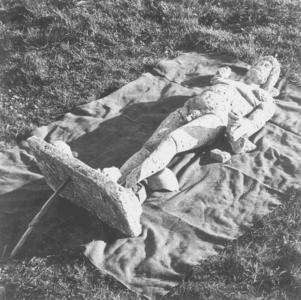
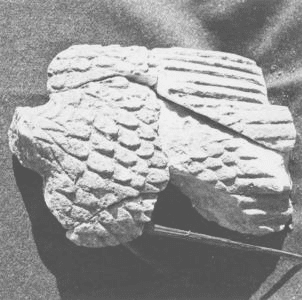
Photographs taken during emergency excavations following the discoveries © Ministry of Culture (France), Media Library of Architecture and Heritage (objects ), all rights reserved. Left: general view of the statue of Jupiter of Mézin; center: general view of the statue of a man's head; right: of the statue of an eagle

On October 10, 1972, at a place called Calès near the church of Trignan in Mézin, Mr. Cominotti, a farmer by trade, was plowing his field when he discovered a group of sculptures by pure chance. He immediately alerted the authorities, and an emergency excavation was quickly carried out by the Department of Antiquities.

Among the thirty or so sculpted elements collected during this excavation, it is the imposing statue of Jupiter that stands out. Neither scepter nor thunderbolt were found, but the statue's hands each have a hole designed to hold an attribute of the god.

God.

A fragmented statue of a bird, likely an eagle, the animal associated with Jupiter, was found in the sanctuary. The eagle, which soars high in the sky and swoops down on its prey like lightning, was Jupiter's favorite bird. Other statues accompanied those of Jupiter: arms, hands, a pedestal, various fragments, and a beautiful male head.

The emergency excavation revealed that this collection of sculptures came from a sanctuary with a cella (the part of the temple where the statue of the deity is located) measuring 17.70 m by 6.25 m, divided into two rooms of unequal size. Eight coins were collected during the emergency excavation. They date fromthe 1st century (Claudius, Nera) tothe 4th century (Constantius II?), including Trajan, Hadrian, and Marcus Aurelius.


The decline of the Empire and the barbarian invasions marked the beginning of a period of decline. The sanctuary of Calès was definitively abandoned in the second half of the 4th century.

All Saints' Day Break: Tours by Albret Tourisme

The Moulin des Tours and the Henri IV Castle Museum will be open for tours between October 20 and 30…

Courrejot Distillery - Albret Tourism
Immerse Yourself in the Heart of Armagnac

Le Courréjot Castle

Discover Château Le Courréjot, a family-owned estate in Condom, and share their passion for Armagnac.

From the still to the barrel cellar, discover their expertise and round out your tour with a tasting of their Armagnacs.

Fancy a getaway to Albret?

Stay in the heart of Nérac at the Hôtel Henri IV

Discover the Hôtel Henri IV, a charming 3-star hotel located in the heart of Nérac, perfect for a weekend getaway, a stopover during your travels, or a relaxing stay.

Stay in the heart of Nérac at the Hôtel Henri IV

Fancy a getaway to Albret? Discover the Hôtel Henri IV, a charming 3-star hotel located in the heart of Nérac—perfect for a weekend getaway, a stopover during your travels, or a relaxing stay.

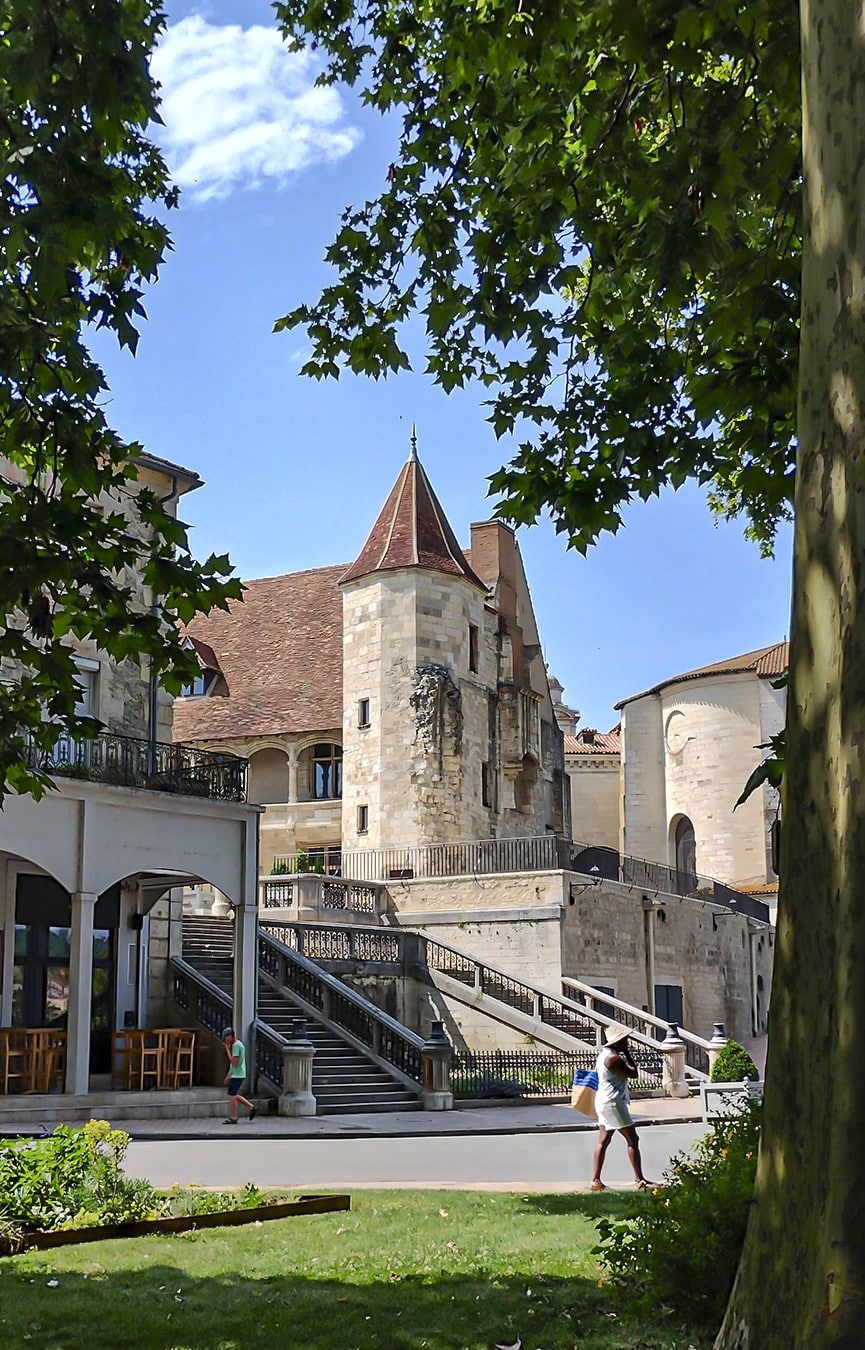
Henri IV Castle Museum
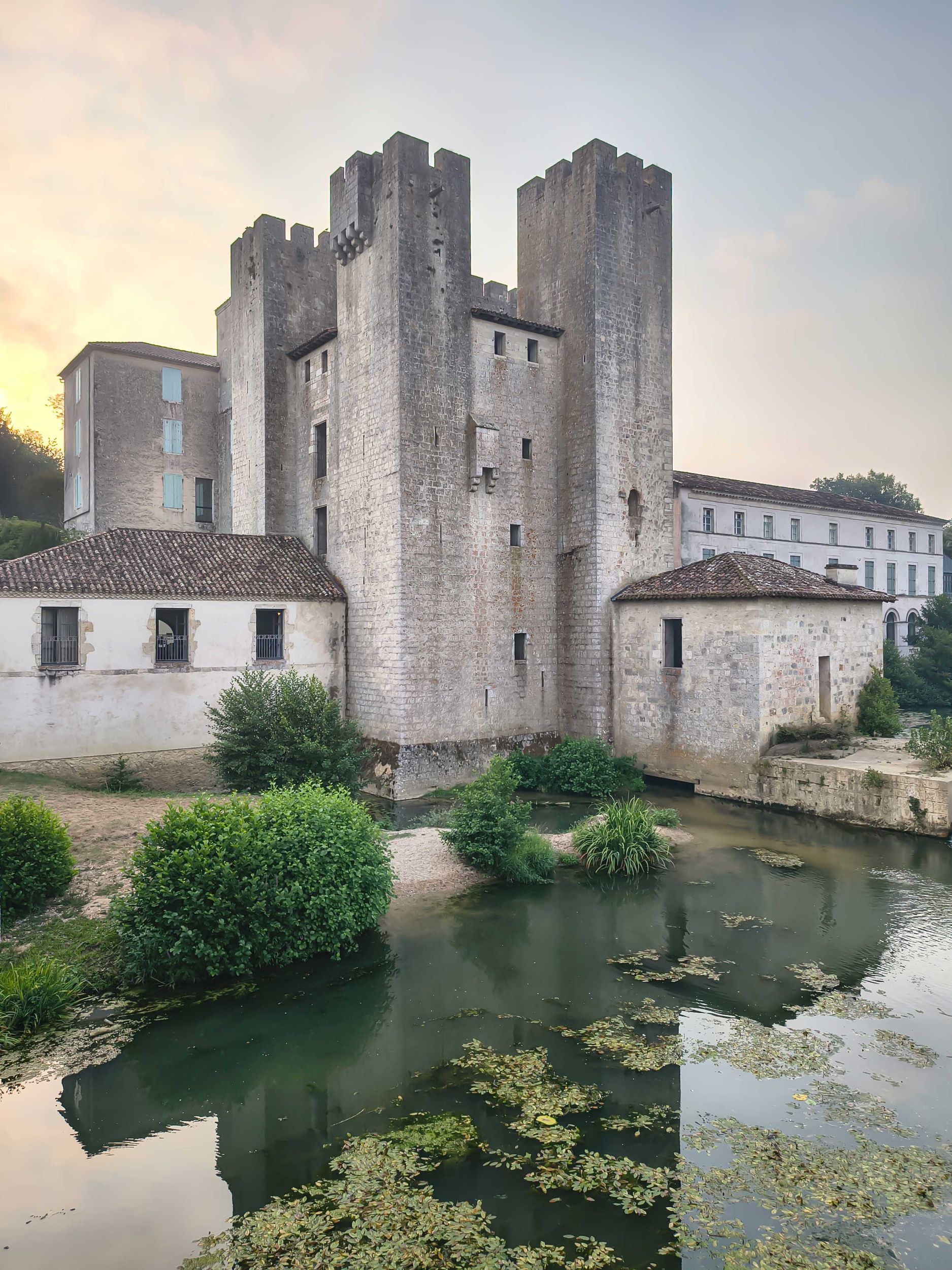
Moulin des Tours

Guided tours in February

From Tuesday, February 10 to Thursday, February 19,

The Albret Tourist Office invites you to follow its guides on a journey of discovery:


of the Moulin des Tours and

of the Henri IV Castle Museum